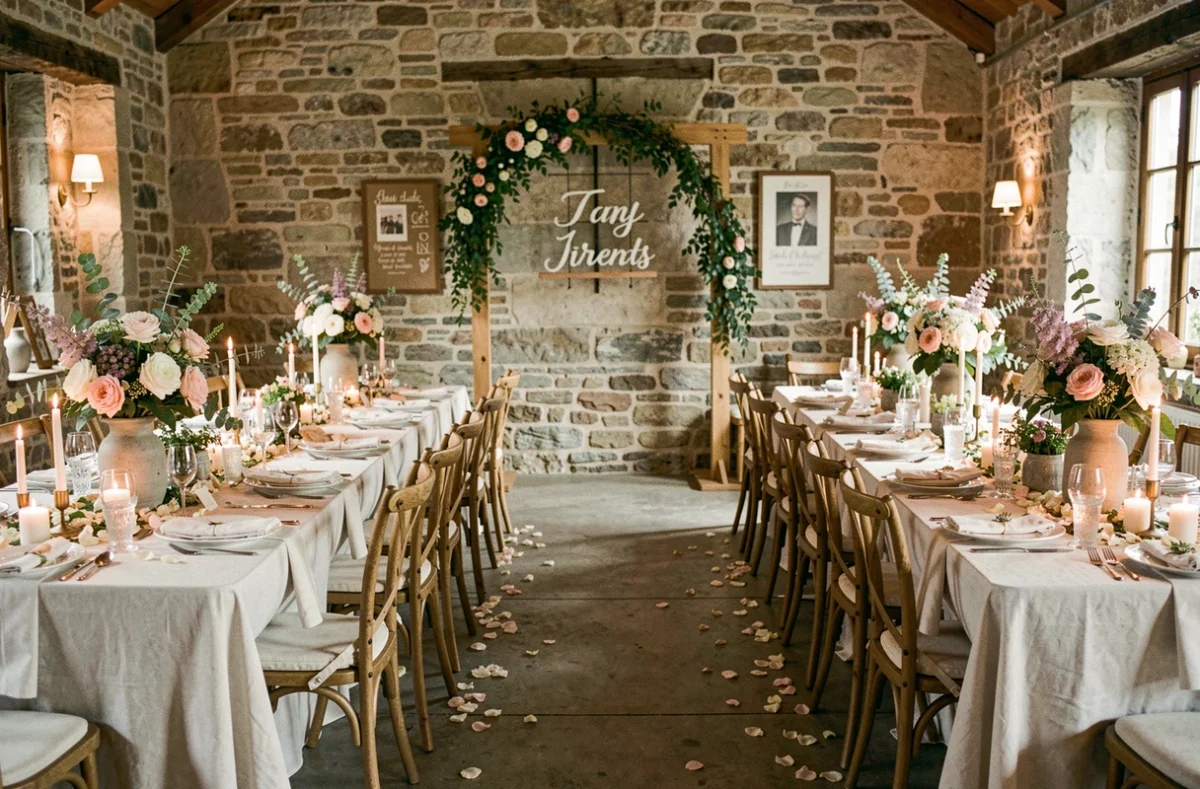
Wedding decoration is evolving in response to new expectations: more targeted budgets, a search for authenticity, and an extended season into autumn. Couples are increasingly making choices for each decorative element to prioritize a cohesive experience rather than an accumulation of items. Here are ten concrete ideas to give character to your wedding decoration this year, moving away from standardized compositions.
1. Sculptural floral arrangements with local flowers
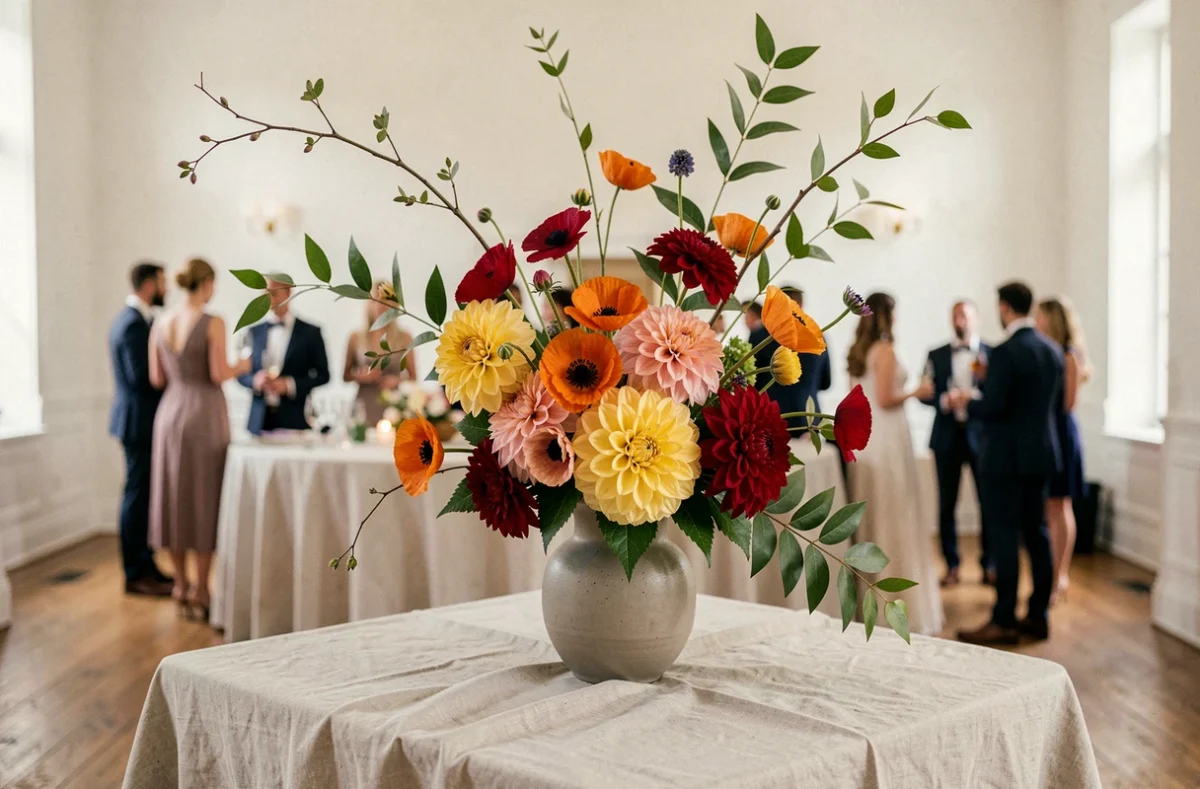
Very low and lush arrangements are gradually giving way to more vertical and sculptural designs. Florists report a growing sensitivity to French production and seasonal flowers grown locally. Choosing seasonal varieties reduces transportation costs and ensures better vase life on the big day.
An October wedding can feature dahlias, cosmos, and tall grasses. To explore decoration on the Espace Mariage site, you will find accessories that complement this type of floral staging. The idea is to create height without obstructing the view between guests.
2. Coordinated scenographic tableware
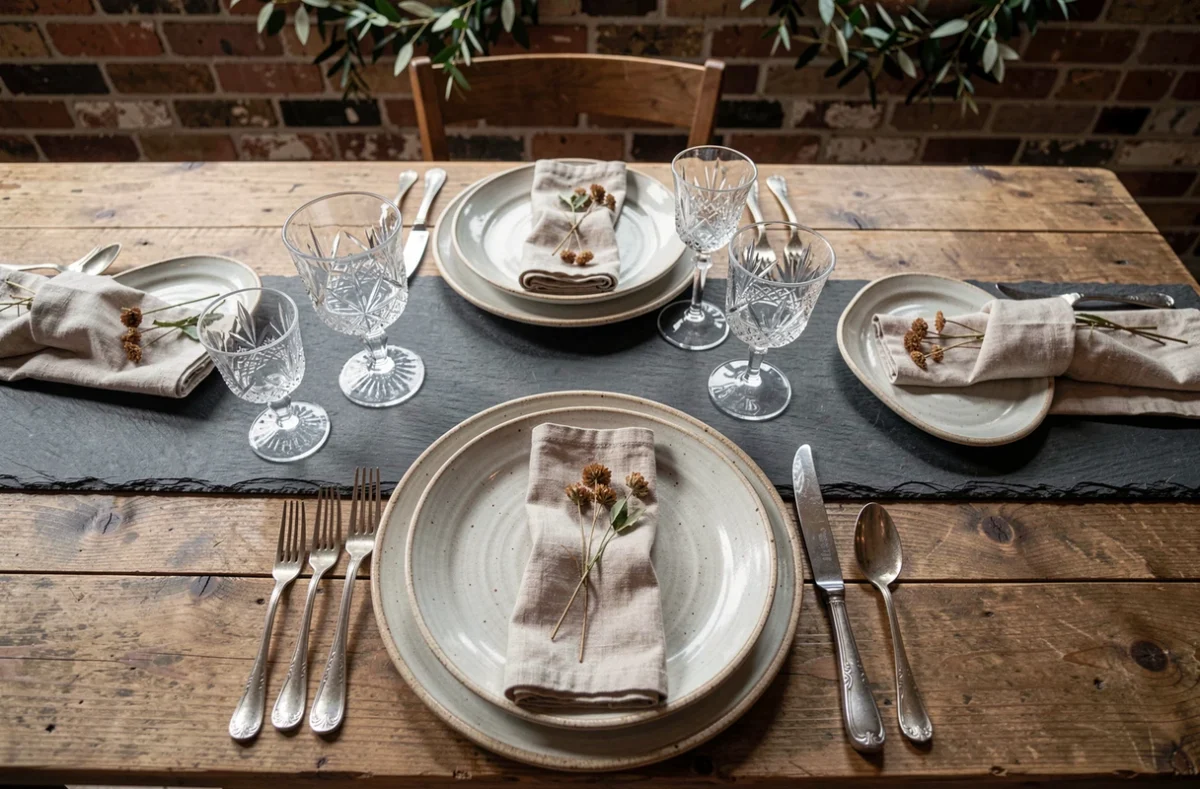
Tableware is now treated as a full-fledged scenographic element. Professionals are observing a return to coordinated sets rented from specialized houses, with a marked interest in crafted materials and metallic pieces. The presentation plate, colored stem glass, or brass cutlery become focal points of the table.
This approach requires thinking of the table as a whole: draped tablecloth, fabric napkins, matching place cards. Renting allows access to high-end ranges without investing in single-use materials.
3. Architectural lighting with garlands and candles
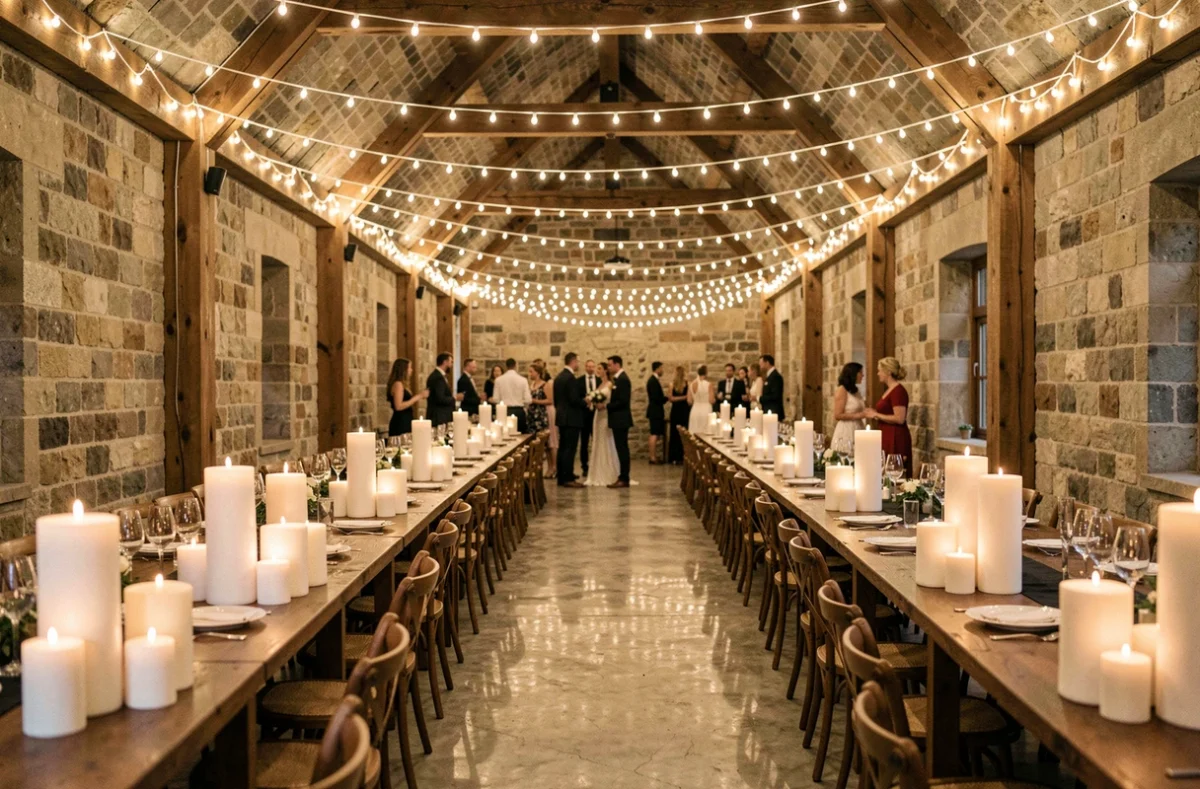
Lighting is designed as an ambiance architecture, not just a functional addition. Garlands hung at different heights, numerous candles on the reception table, and spotlights directed at floral arrangements create luminous layers that transform a mundane space.
The choice of color temperature is as important as the type of lighting fixture. A warm light (around 2,700 K) flatters complexions and decoration. Feedback from the field varies on the use of decorative neon lights: some find them too pronounced, while others consider them a full-fledged style element.
4. Bright and contrasting color palette
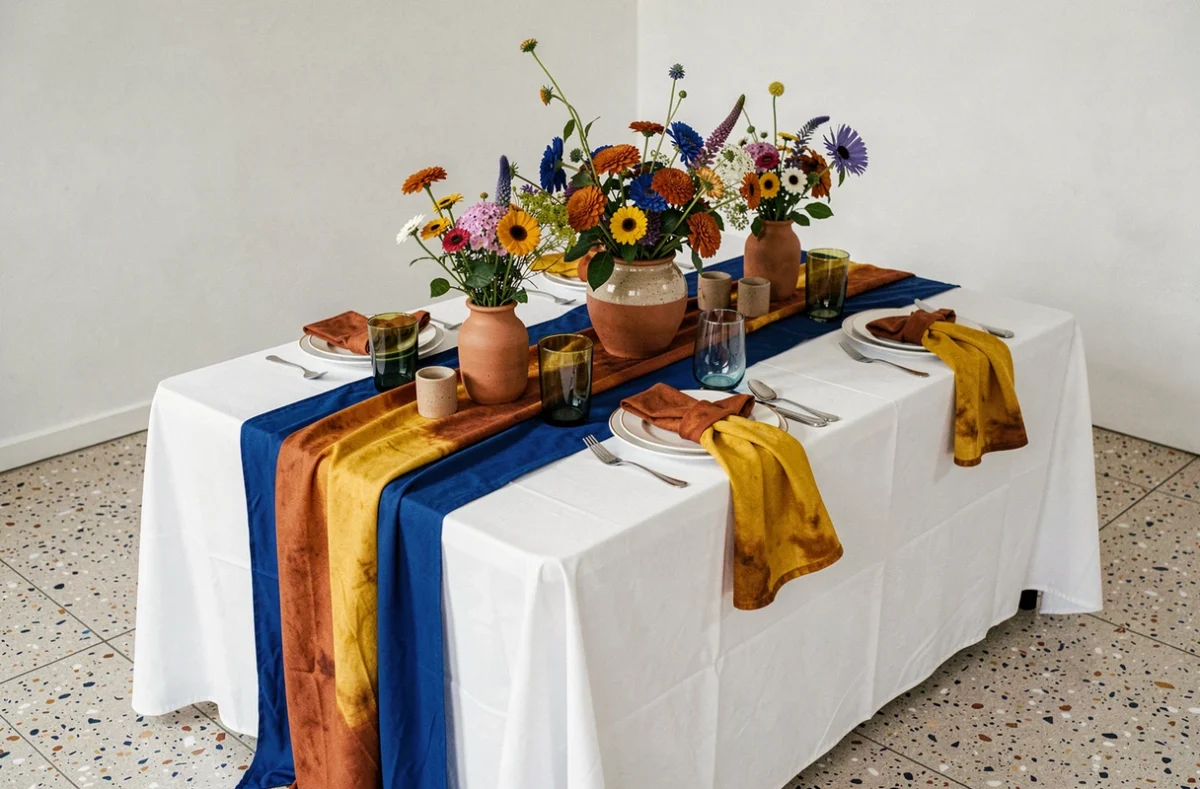
Uniform pastel palettes are giving way to bolder combinations. Terracotta and burgundy, Klein blue and gold, sage green and plum: couples are daring to make striking color associations. This trend is found on tablecloths as well as in the choice of ribbons, printed menus, and floral arrangements.
The balance rests on a simple principle: one dominant color, one accent color, one neutral. Three shades are enough to create a strong visual identity without falling into overload.
5. Raw wood elements and natural materials
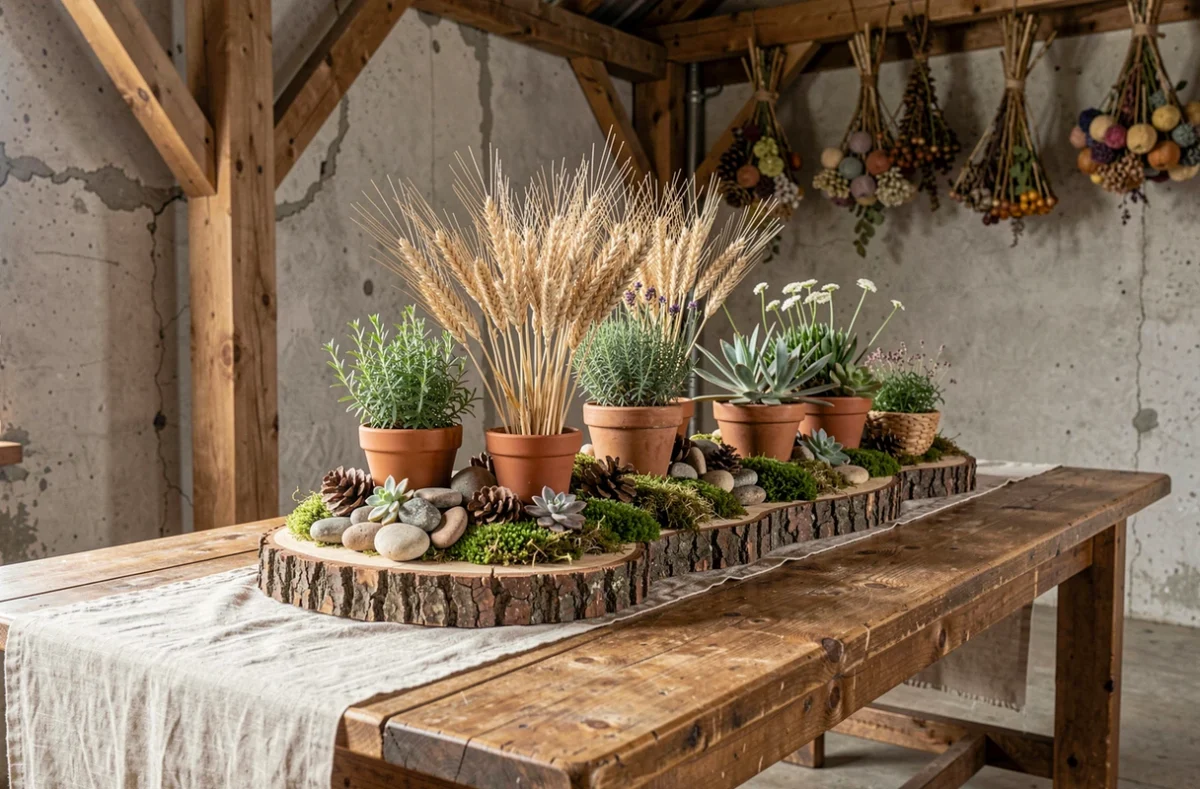
Wood, linen, stone, and rope remain reliable choices, but their use is evolving. Rather than the classic country style with logs and burlap, the trend is moving towards pieces made of crafted raw wood in custom furniture: solid oak ceremony arches, reception benches, dessert displays.
The mix of natural materials and metallic touches (brass, copper) avoids the “craft market” effect. A washed linen table runner paired with brushed metal candlesticks illustrates this duality.
6. Personalized signage in plexiglass or handmade paper
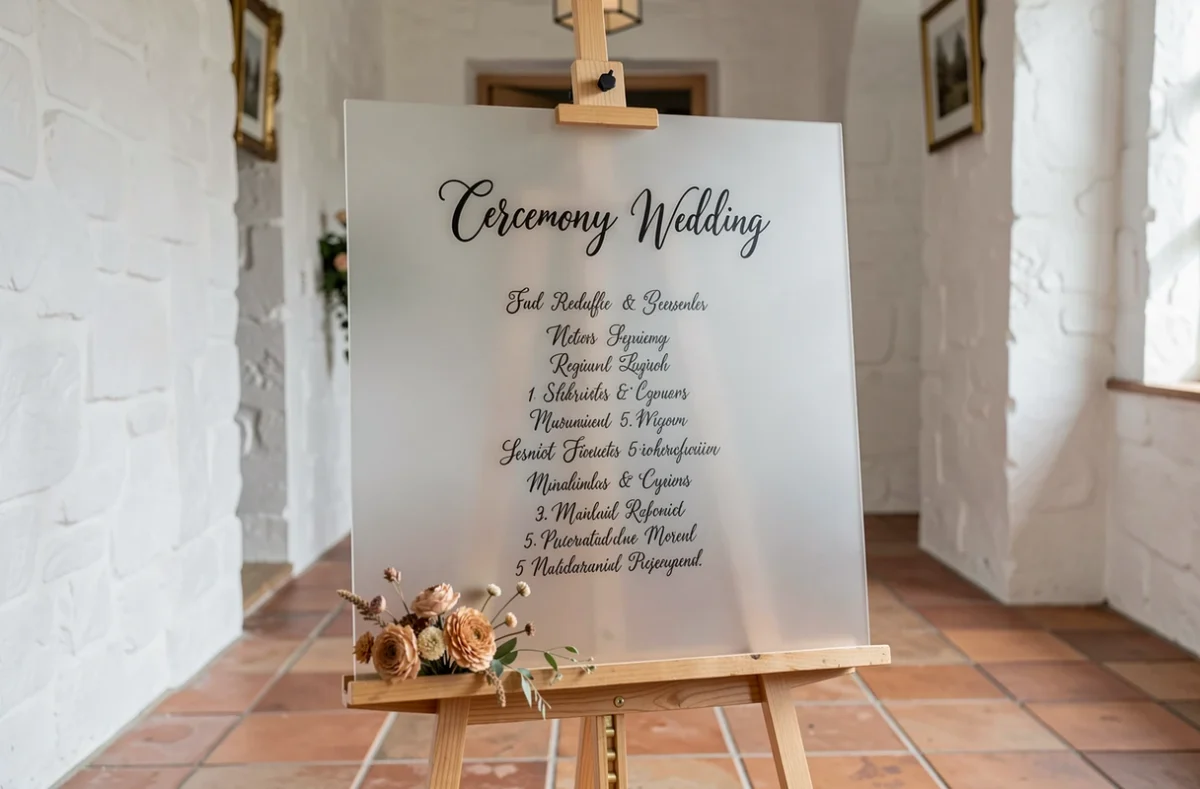
Seating plans, welcome signs, menus, and place cards have become style elements. Transparent plexiglass signage remains popular, but textured handmade papers (cotton, vellum) are gaining ground among couples looking for a more tactile finish.
Handwritten or semi-handwritten calligraphy gives a character that standard printed fonts do not replicate. Entrusting this task to a calligrapher allows for harmonizing all written materials, from invitations to seating plans.
7. Custom arch for secular ceremonies
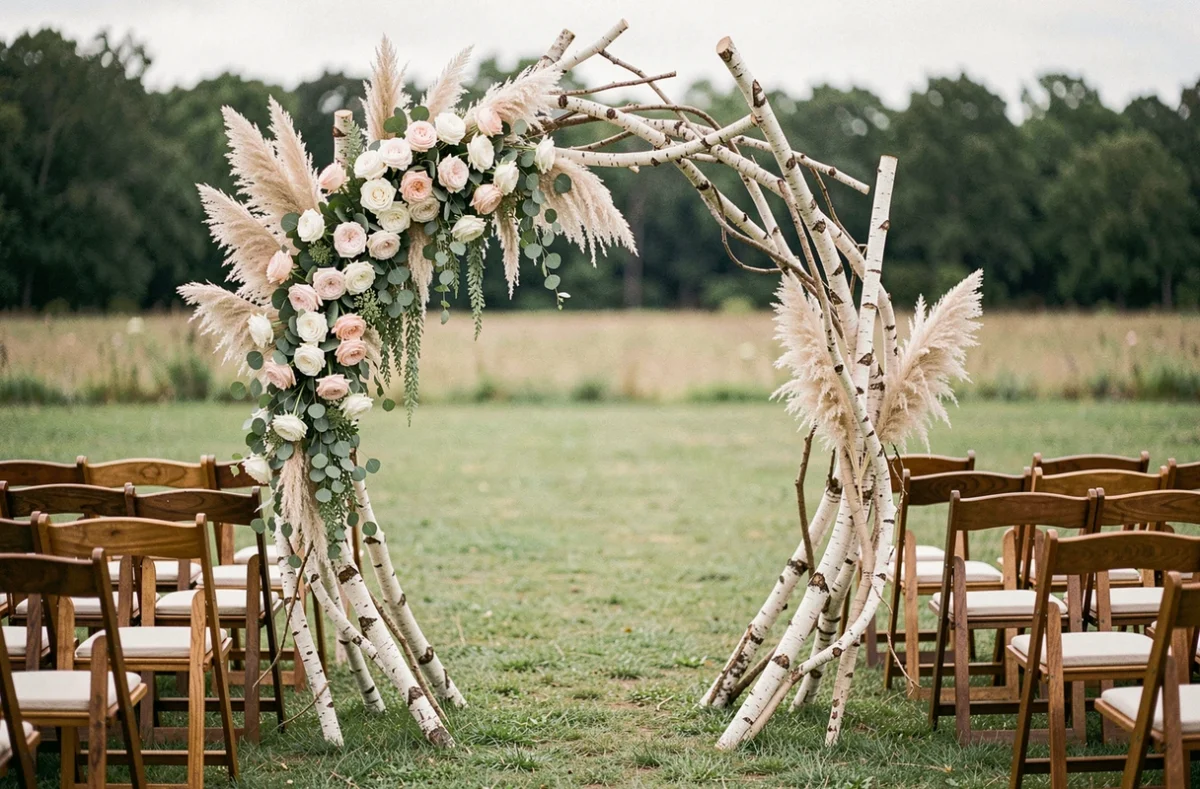
The secular ceremony concentrates an increasing share of the decorative effort. The arch serves as the central point and varies according to the location:
- Golden metal arch draped for a sober indoor space
- Driftwood structure adorned with foliage for an outdoor ceremony
- Suspended floral circle for a sculptural effect without cluttering the ground
The ceremony floor also deserves attention: carpets, petals, and low lanterns delineate the aisle and enhance the staging.
8. Art Deco inspirations for indoor receptions
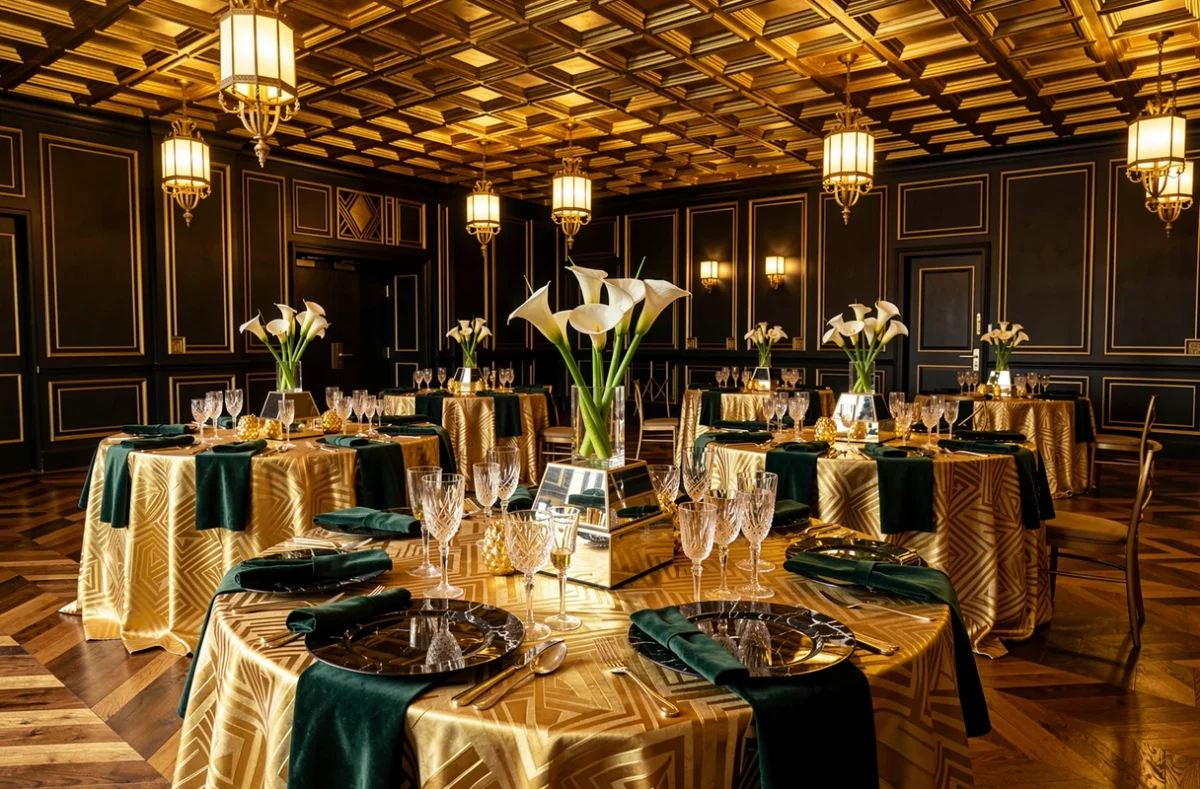
The Art Deco style is making a strong comeback in indoor weddings. Geometric patterns, gilding, faceted glasses, and dark tablecloths create a sophisticated decor. Heritage venues (private hotels, ballrooms) are particularly suited to this style.
This decorative choice works best when it is consistently applied across all materials: stationery, tableware, lighting, attire of the couple. A “half” Art Deco wedding risks appearing incoherent.
9. Autumn and winter weddings with seasonal decor
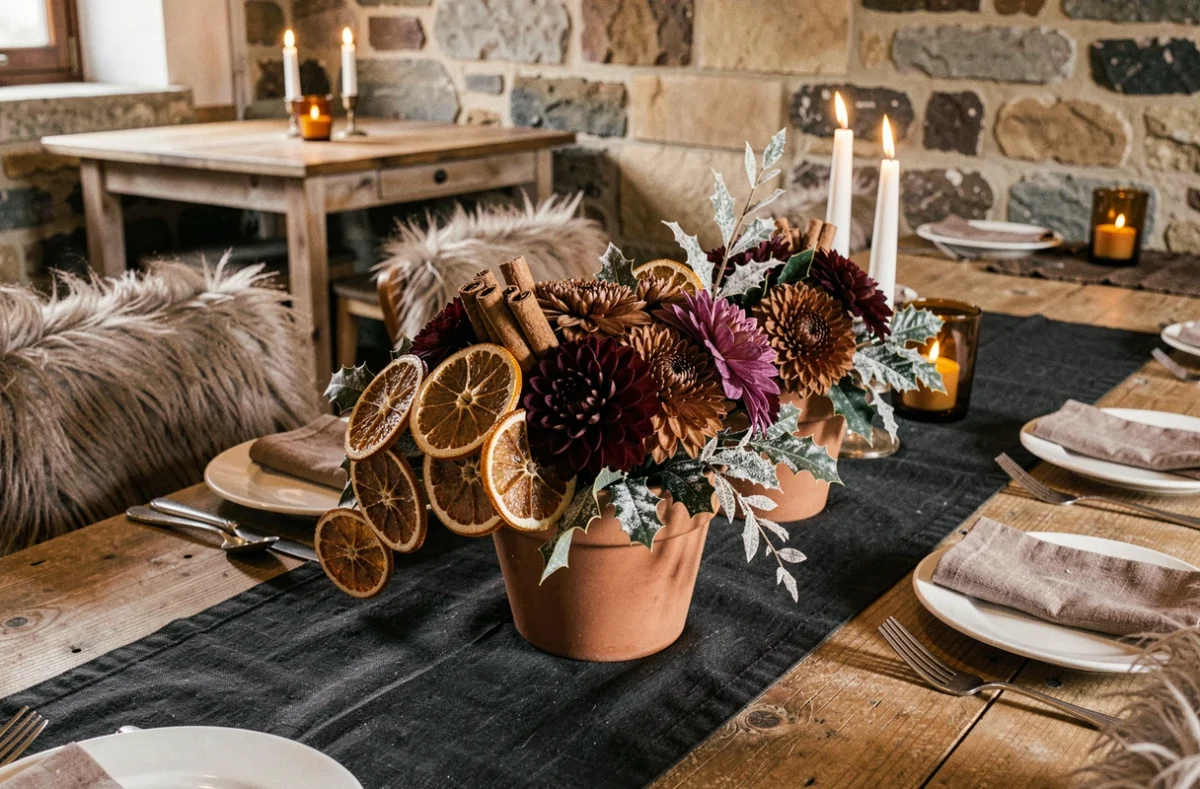
The wedding season extends beyond summer. Professionals are noticing a gradual shift of celebrations into October, with a renewed interest in off-peak winter weddings. These periods offer more availability among vendors and often more favorable rental costs.
An autumn wedding can take advantage of vibrant foliage, decorative pumpkins, and abundant candles. A winter wedding focuses on warm textiles (blankets for guests, velvet on chairs) and soft lighting.
10. Photobooth and interactive spaces for guests
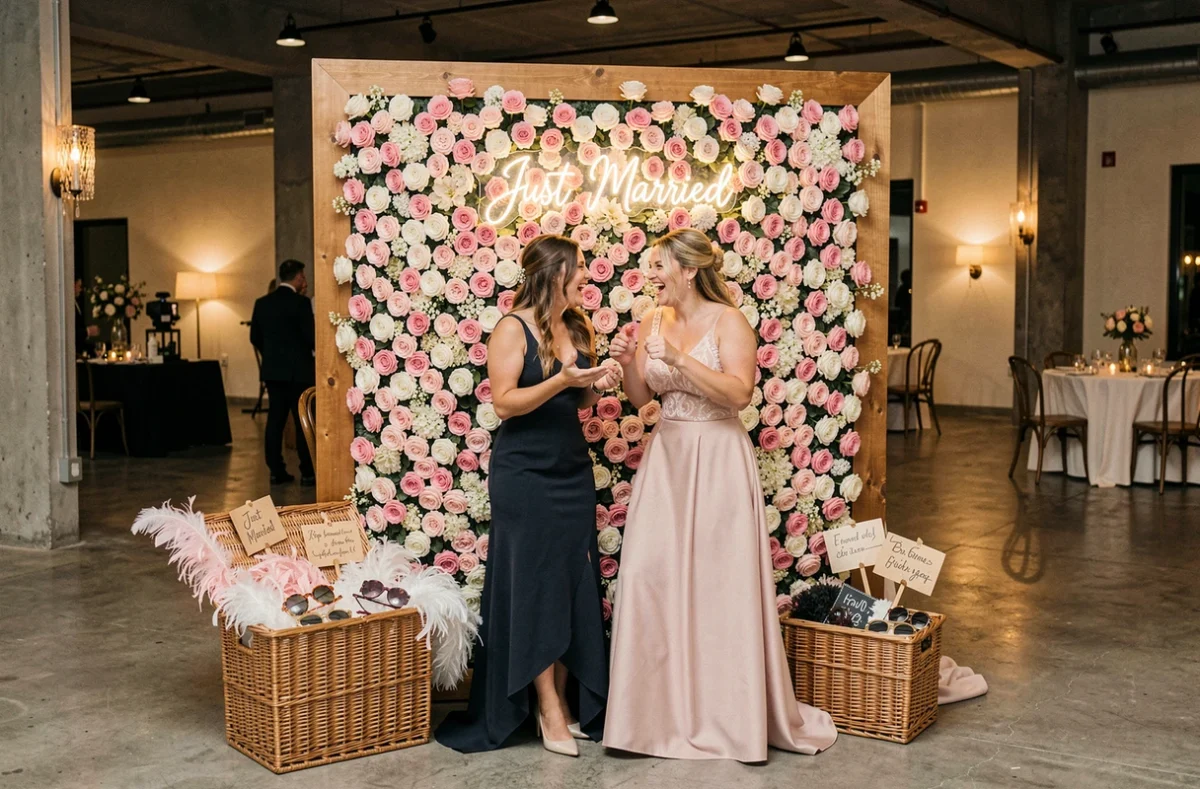
The photobooth is no longer just a curtain with cardboard props. Interactive spaces for guests are becoming more professional: floral backdrop matching the overall decoration, dedicated lighting, accessories coordinated with the wedding theme.
Other areas deserve to be thought of as decorative zones in their own right:
- Cocktail bar with a polished presentation (dressed counter, selected glassware)
- Lounge area with cushions and rugs for moments of relaxation
- Guestbook table with pens, Polaroids, and decorative frame
These touchpoints create spontaneous photographic memories and contribute to the atmosphere as much as the table decoration.
Wedding decoration gains impact when each choice serves a clear intention rather than an accumulation of trends. A visual thread, a maximum of three colors, and consistent materials between the ceremony and reception are enough to create a memorable decor without multiplying budget items.