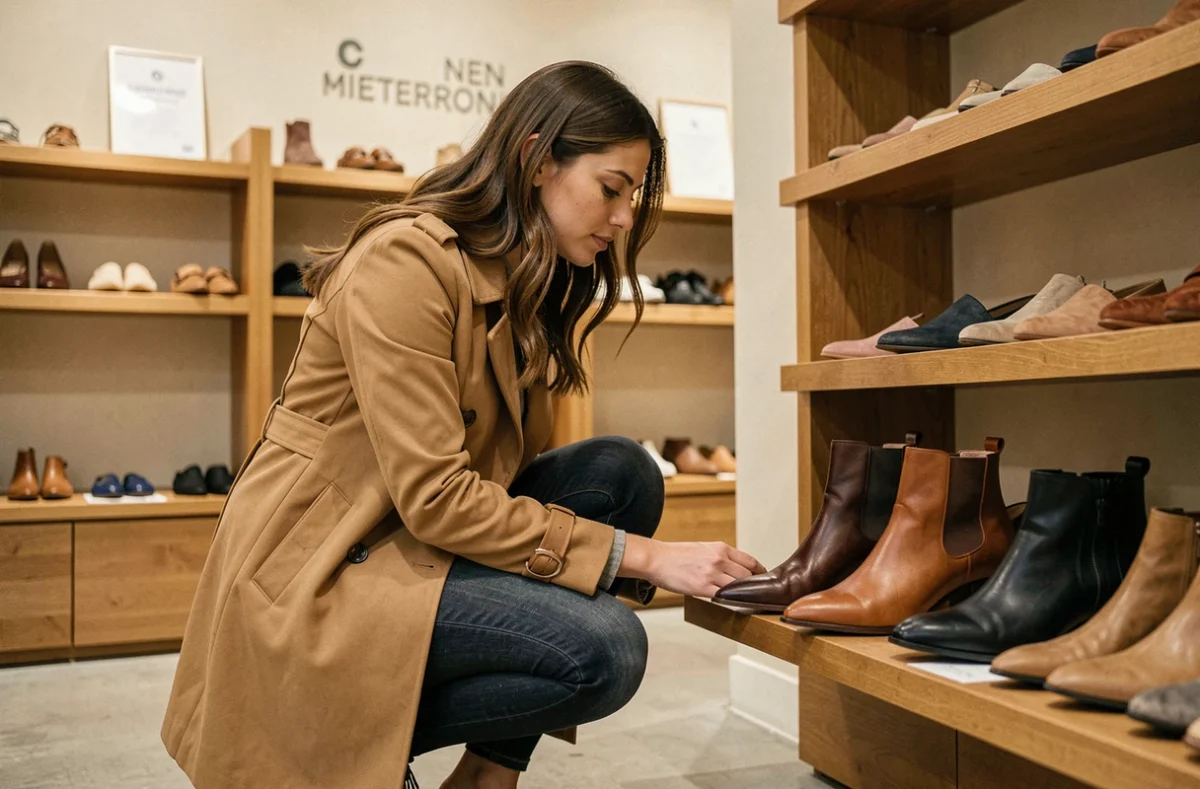
Each season redefines silhouettes from the ground up. The shoes and accessories worn this fall and winter aren’t just a checklist of styles to tick off: they reflect trade-offs between promised comfort, more sustainable materials, and details that change how an outfit reads. Understanding these trade-offs helps you make purchases that last for several seasons rather than just one.
Cost per wear: the key consideration before buying shoes
Most trend guides list styles without asking the central question: how often will a pair actually be worn? Cost per wear is calculated by dividing the purchase price by the estimated number of times an item will be worn. An expensive pair of buckle boots worn three times a week for four months costs less per wear than a pair of novelty sandals worn twice.
This calculation helps set priorities. A versatile pair (loafers, understated boots, slim white sneakers) has a very low cost per wear because it goes with most of your wardrobe. More distinctive pieces, such as a charm accessory or opera gloves, are indulgent purchases to enjoy—not rational buys.
Before browsing the shopping section of Oh my shoe to find your next pair, identify the three occasions when you wear shoes most often (work, weekends, nights out). Focus your budget on those occasions, and leave some room for a piece you fall in love with.
Slim white sneakers and buckle boots: two silhouettes shaping fall
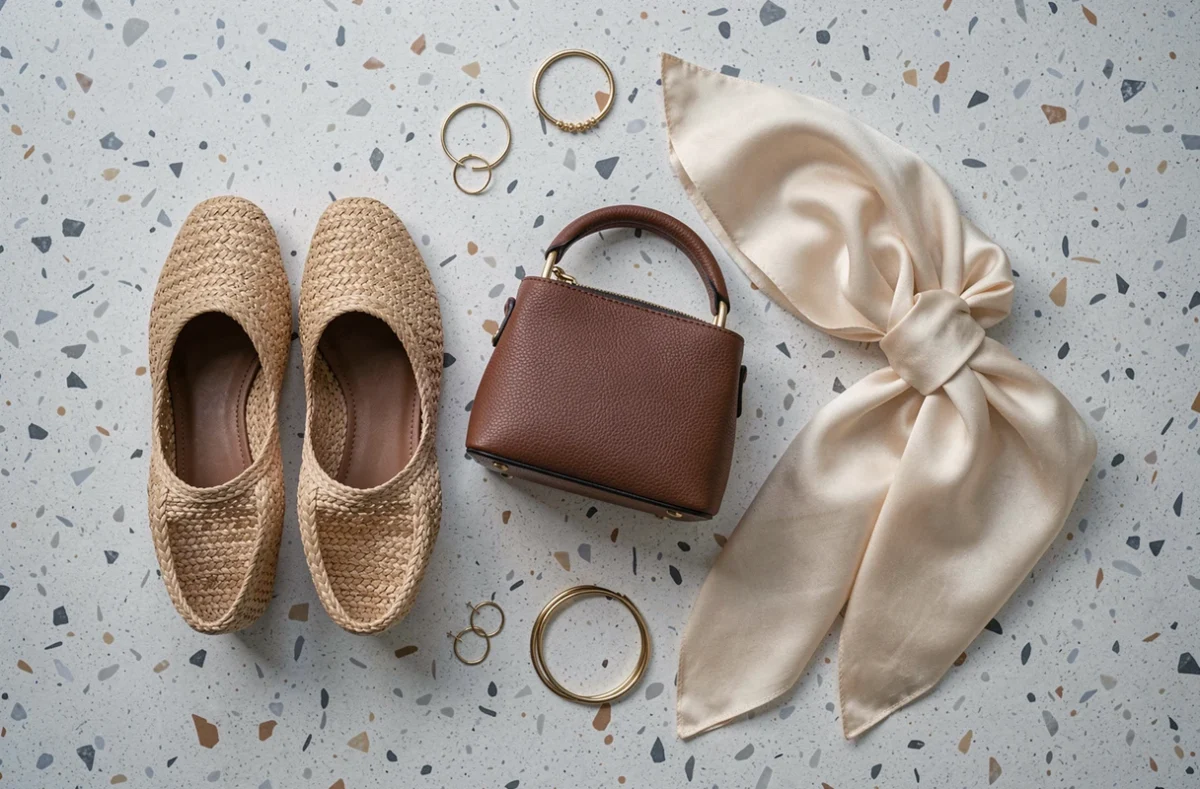
Two shoe categories stand out this season for their ability to replace tired classics.
Slim white sneakers versus chunky sneakers
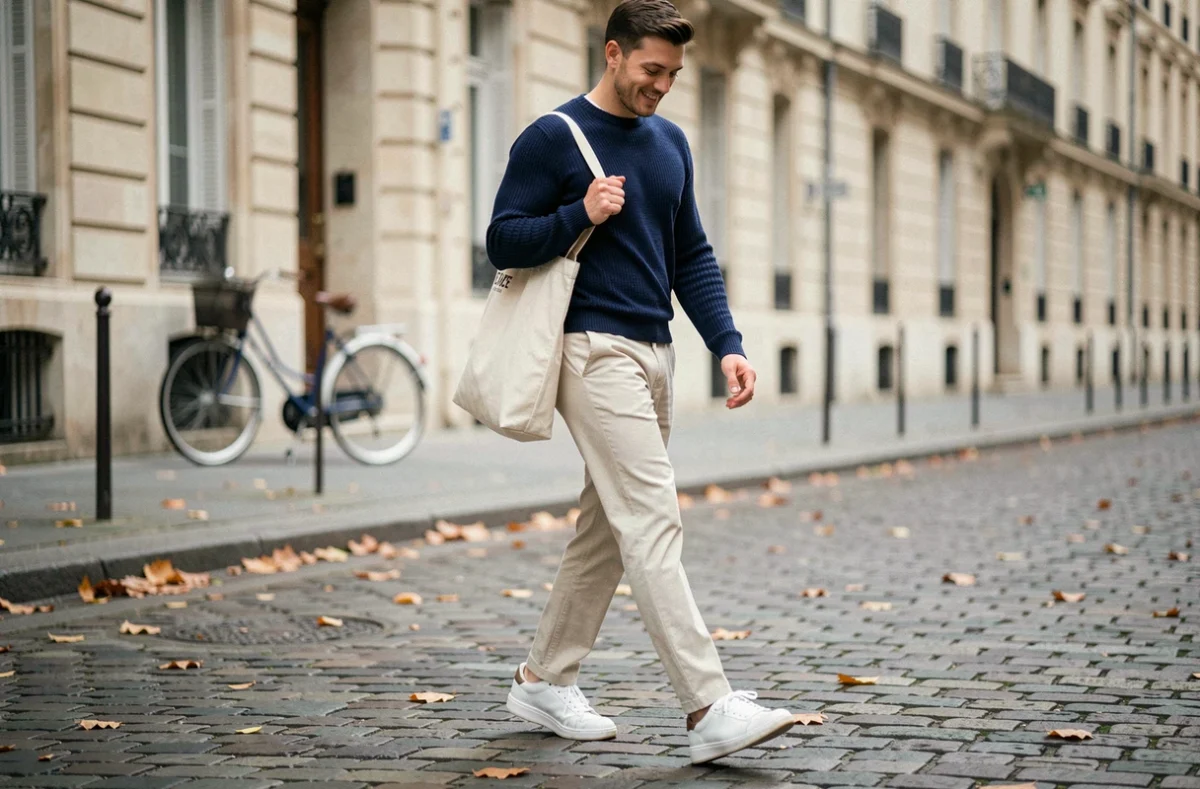
Slim white sneakers are back as an alternative to chunky styles. Harper’s Bazaar France notes that two white styles featured in Lyst’s ranking of the most desirable products between July and September 2026. The volume is reduced, the sole is slimmer, and the shape is closer to a retro athletic shoe.
This comeback changes the proportions of an outfit. With straight-leg trousers or raw denim, a slim sneaker elongates the leg instead of weighing it down. It also works with a structured coat without creating a visual mismatch, which was trickier with chunky sneakers.
Buckle boots: a fresh take on metallic details
Version Femina links buckle boots to the season’s Dior and Dries Van Noten shows. The idea: a metallic detail borrowed from the 2000s, set on a cleaner shape than the slouchy styles of previous seasons.
The buckle adds a visual focal point without overwhelming the look. On a mid-calf boot with a straight shaft, it’s enough to set the pair apart from a basic style. Choose a silver or aged-brass finish to steer the look in a more urban or rugged direction.
Fall-winter accessories: focus on cohesion, not accumulation
Accessories act as outfit modifiers. Poorly chosen, they add visual noise. Well judged, they turn a basic look into a considered silhouette.
The fall-winter 2026-2027 shows spotlight several accessory categories. Three are worth a closer look for their balance of style and versatility:
- Charm necklaces are replacing minimalist chains. They add movement to a crew neck or V-neck sweater without calling for any other jewelry.
- Clutches are making a strong comeback as an alternative to the classic handbag. Their smaller size means carrying only the essentials, while their shape gives a streamlined silhouette structure.
- Structured-brim hats (felt or boiled wool) add verticality, balancing long, voluminous pieces such as an oversized coat or a thick scarf.
A common pitfall is adopting several accessory trends at once. A charm necklace worn with a wide-brimmed hat and opera gloves can look like a costume. One statement accessory per outfit is enough to make your style stand out.
EU rules on unsold goods: what they mean for fashion shopping
European regulations on unsold textiles are already having a tangible impact on the fashion market. Brands are adjusting production volumes, resulting in tighter collections and less frequent restocks.
For shoppers, the direct consequence is simple: a style spotted at the start of the season may sell out sooner than before. End-of-season stock runs are shorter, and sale availability is less predictable.
The EU Ecodesign Regulation also sets requirements by product category, although the details applicable to footwear have yet to be clarified. Keeping an eye out for a digital product passport on product pages may become a useful habit for checking material traceability.
This shift makes the cost-per-wear approach outlined above even more relevant. Buying less but choosing more carefully is no longer just a stylist’s advice: it’s a logical response to a market with fewer styles on offer and a greater emphasis on durability.
The fall-winter 2026-2027 season comes down to a trade-off between versatile, frequently worn pieces (white sneakers, loafers, understated buckle boots) and distinctive accessories worn one at a time. The most worthwhile choice is the one you actually wear, not the one that looks impressive in a shop window.