In the digital age, where emails and instant notifications dominate our daily communication, sending a card holds a special place in our hearts. It embodies a personal touch that pixels simply cannot reproduce. Sending a card is offering a piece of oneself, a special attention that transcends time and distance. Receiving a card in the mailbox evokes a unique emotion, a form of touching magic. Cards are as varied as the occasions for which they are sent: birthdays, weddings, thank-yous, or simple spontaneous thoughts. This gesture, far from disappearing, is even reinventing itself, becoming a complete art form.
The historical origins of the greeting card
Cards have a rich history that dates back several centuries and reflects the evolution of communication methods. The greeting card has managed to traverse the ages and adapt to cultural and technological changes.
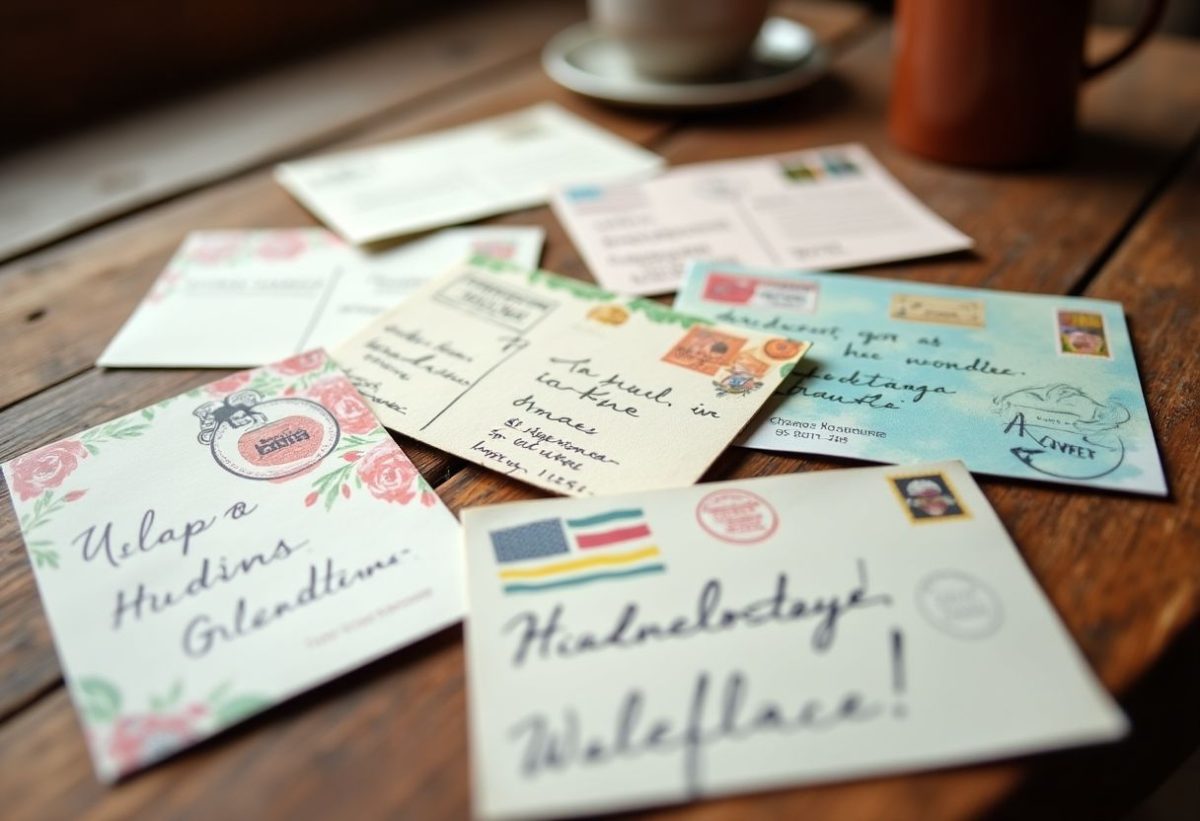
The first postcards appeared in the 19th century, with precursors dating back to antiquity. Initially, they were primarily used to convey travel news. Over time, they became more sophisticated, adopting various illustrations and designs representing landscapes or significant events. The industrial boom also democratized their use, making them accessible to a wider audience.
- Antiquity: Use of clay tablets to send important messages.
- 19th century: Emergence of the first modern postcards with stamps and illustrations.
- 20th century: Golden age of postcards, with an explosion of creativity and diversity in designs.
Occasions to send a card
The greeting card is not limited to a single occasion. It is suitable for all circumstances, from the most joyful to the most solemn, thus offering a multitude of possibilities to share life moments with others.
- Birthdays: A birthday card is a tradition that remains strong. It allows for the expression of wishes and affectionate thoughts.
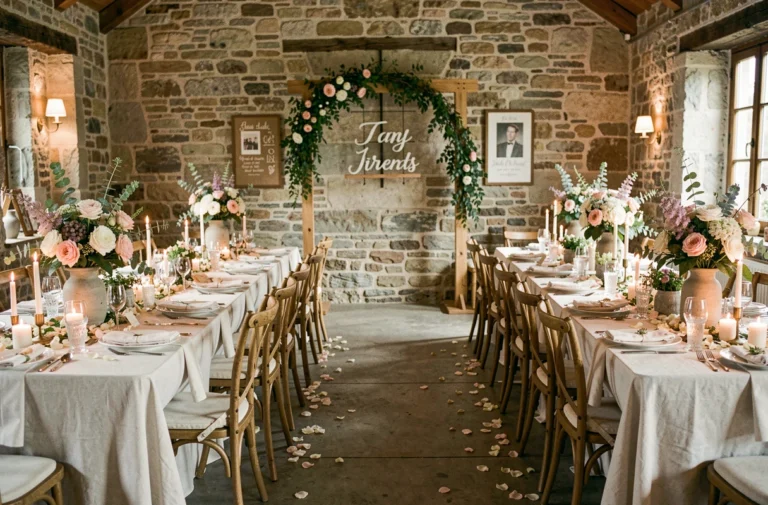
- Weddings: Congratulations cards for newlyweds add a touch of warmth and personality to well-wishes.
- Thank-yous: Sending a card to say thank you is an elegant way to show gratitude.
- Holidays: Holiday cards, often illustrated with exotic landscapes, are a way to share a piece of one’s travels.
The evolution of the card: modernity and personalization
In a world where originality is increasingly valued, the greeting card has diversified to adapt to contemporary tastes and needs. Personalization has become a major asset, allowing everyone to create a card that reflects them.
Cards now come in a variety of formats and styles, ranging from handmade creations to custom prints. Digital technology has also facilitated the emergence of virtual cards, which can be personalized and sent in just a few clicks, while still maintaining the spirit of a personal message. Yet, the charm of a physical card persists. The choice of materials, such as recycled paper or handmade paper, adds an ecological dimension to the experience.
Finally, online card creation services allow for the design of unique cards, with personalized photos and texts, thereby strengthening the bond between the creator and the recipient.
The emotional and social impact of cards
Sending a card is much more than a simple gesture; it is an act imbued with deep meanings. In an era where time seems to accelerate, taking the time to write and send a card reflects a particular attention, almost an act of resistance against the immediacy of our daily lives.
Cards strengthen social bonds by creating moments of sharing and authentic connection. They also help establish family or friendship traditions, such as the annual sending of Christmas cards. They are often cherished, silent witnesses to precious moments. The simple act of receiving a card, with the care taken in its writing and sending, generates a sincere and lasting emotion.