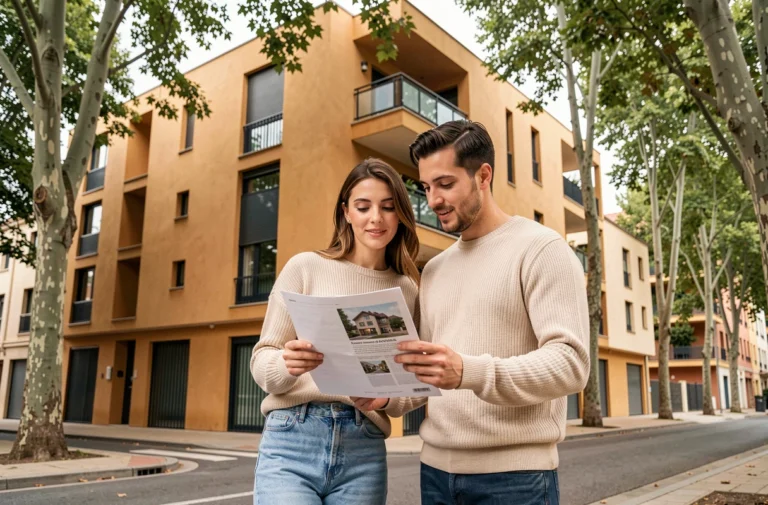
Between two homes built in the same year on the same street, the perception of comfort, space, or harmony can vary greatly. Some layout tips, although validated by professionals, do not always gain the approval of the occupants. Other ideas, deemed atypical, end up prevailing and transforming the daily experience.
Trends, far from being indisputable norms, evolve with the rhythm of usage and innovations. This constant mixing of influences and constraints generates a diversity of solutions, sometimes unexpected, to shape a living space that is both functional and true to its expectations.
What is an ideal home today? Trends and expectations of homeowners
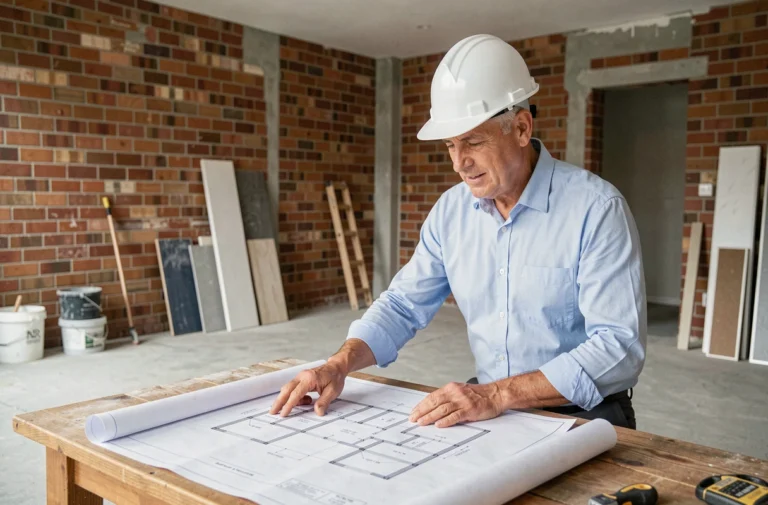
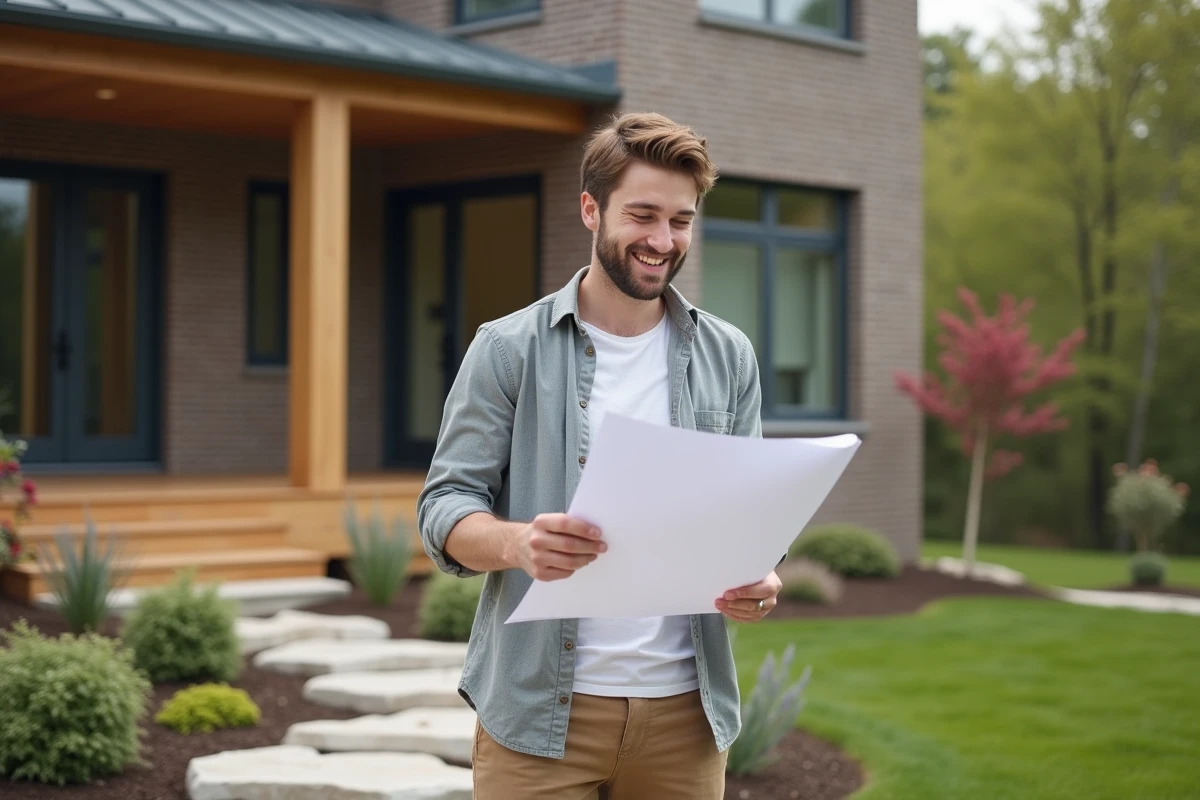
Building the ideal home is no longer just about putting up four walls and a roof. It all starts on paper, with a plan designed to meet the needs of a family, adapt to its lifestyle, and anticipate the future. The house plan becomes the backbone of the project. It must take into account the reality of the land, respect the set budget, and comply with the requirements of the Local Urban Planning Plan (PLU) as well as the environmental regulation RE2020. These constraints, sometimes felt as hindrances, are, however, the guarantee of a solid, relevant construction that is in tune with the times.
Now, expectations go beyond mere functionality. Homeowners want a balance: aesthetics, sustainability, and energy performance intertwine in every choice. The selection of materials is never trivial: wood, concrete, terracotta… each option influences thermal comfort, energy consumption, and the robustness of the house. The addition of quality labels provides extra assurance and enhances the investment.
The wave of connected devices and home automation transforms the individual home into an intelligent space. Controlling heating, managing light, securing the habitat, or monitoring energy consumption—all of this becomes accessible at your fingertips. This quest for adaptability and personalization is reflected in platforms like https://ma-maison-ideale.fr/, a true source of ideas for building a unique home. The contemporary ideal combines anticipation, respect for rules, and innovation to support residents well beyond the initial years.
Essential questions to ask to imagine an interior that reflects you
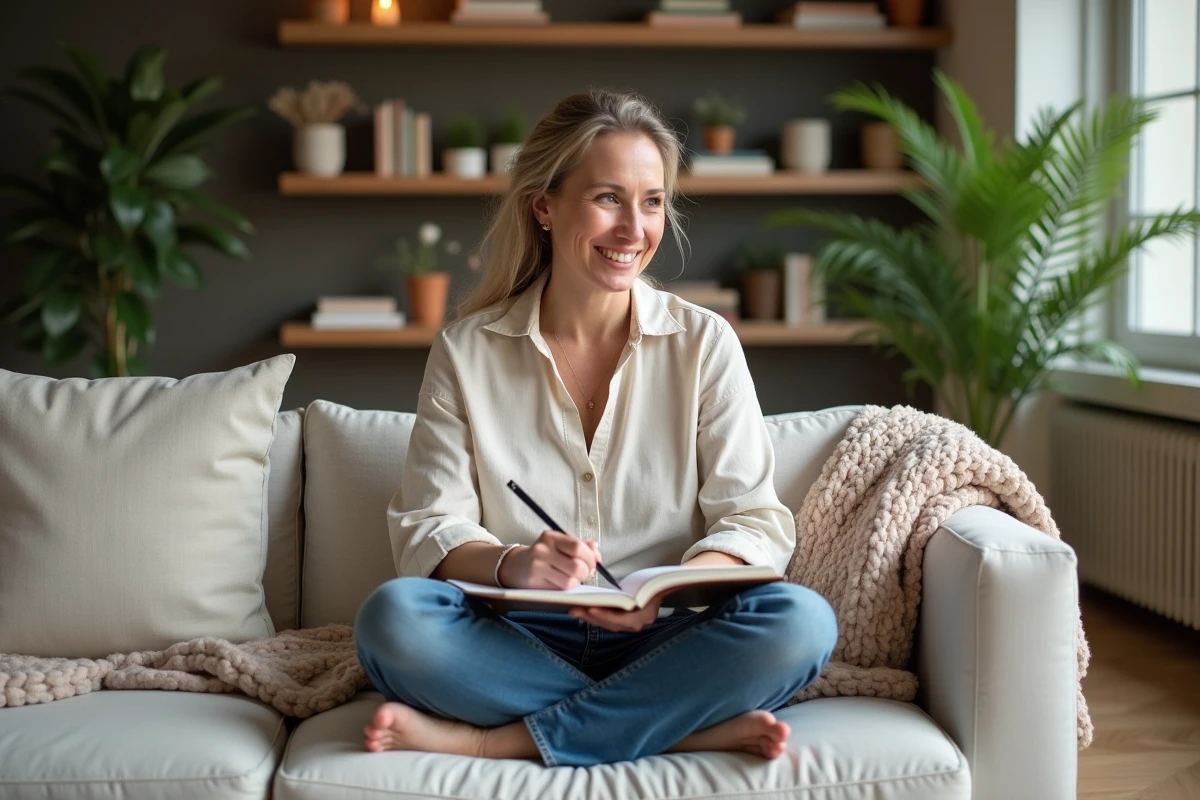
Thinking about a suitable interior requires questioning every use, every space. The living area only makes sense if it corresponds to the reality of daily life: how many occupants, what lifestyles, children growing up, pets running in the hallways… Nothing should be left to chance. The way the living rooms are organized influences everything: an open living room to the kitchen encourages interaction, while a master suite a bit away preserves tranquility.
It is also about not forgetting the practical side: workspace, laundry room, garage, clever storage. Anticipating means allowing the house to evolve: planning an extension, transforming a bedroom into an office, rethinking the use of rooms according to needs. Modularity must be considered from the start, so that the plan remains relevant despite changes in pace or family composition.
Here are some crucial questions to integrate into the reflection:
- How many bedrooms should be planned, today and in a few years?
- Should the bathroom communicate directly with the master suite?
- Where to position the washrooms to limit unnecessary trips?
- How to distribute the open spaces and more private areas?
The way spaces are distributed determines comfort and ease of movement. There are plenty of tips to gain usable space, simplify daily life, make the most of natural light, and maintain a clear organization. Each project has its constraints and solutions: the ideal home is built question by question, step by step.
Practical ideas and inspirations to personalize every space in your home
The layout of an ideal home is drawn room by room, taking into account usage, orientation, and light. Focusing on natural brightness, by orienting living spaces to the south and choosing generous windows, radically changes the atmosphere. To enhance the convivial spirit, nothing beats an open distribution between living room and kitchen. Conversely, separating certain spaces preserves everyone’s privacy.
Optimizing every square meter becomes an art: reducing hallways, installing integrated storage, considering accessibility for all, including people with reduced mobility. The interior can evolve through modular solutions: sliding doors, multifunctional furniture, glass partitions that define spaces without enclosing them. Even the color palette plays its role: light tones to widen the space, bolder colors to structure.
Outside, the connection with the garden or terrace becomes crucial. Extending the living room with a south-facing terrace, installing solar protections like awnings or blinds, or opting for greening allows for temperature regulation and full enjoyment of sunny days.
To guide the layout, here are some concrete ideas:
- Take advantage of solar gains in living spaces to enhance thermal comfort.
- Organize the layout to make movement simple and natural, without losing space.
- Plan areas that can evolve: an office that becomes a guest room, a modular room according to needs.
The support of an architect or a builder provides a fresh perspective on the coherence of the plans and adherence to urban planning rules like the PLU or RE2020. Choices of materials, natural wood, mineral coatings, combine aesthetics, energy performance, and robustness. Ultimately, every detail contributes to a home tailored to its inhabitants, capable of following them through all their changes.