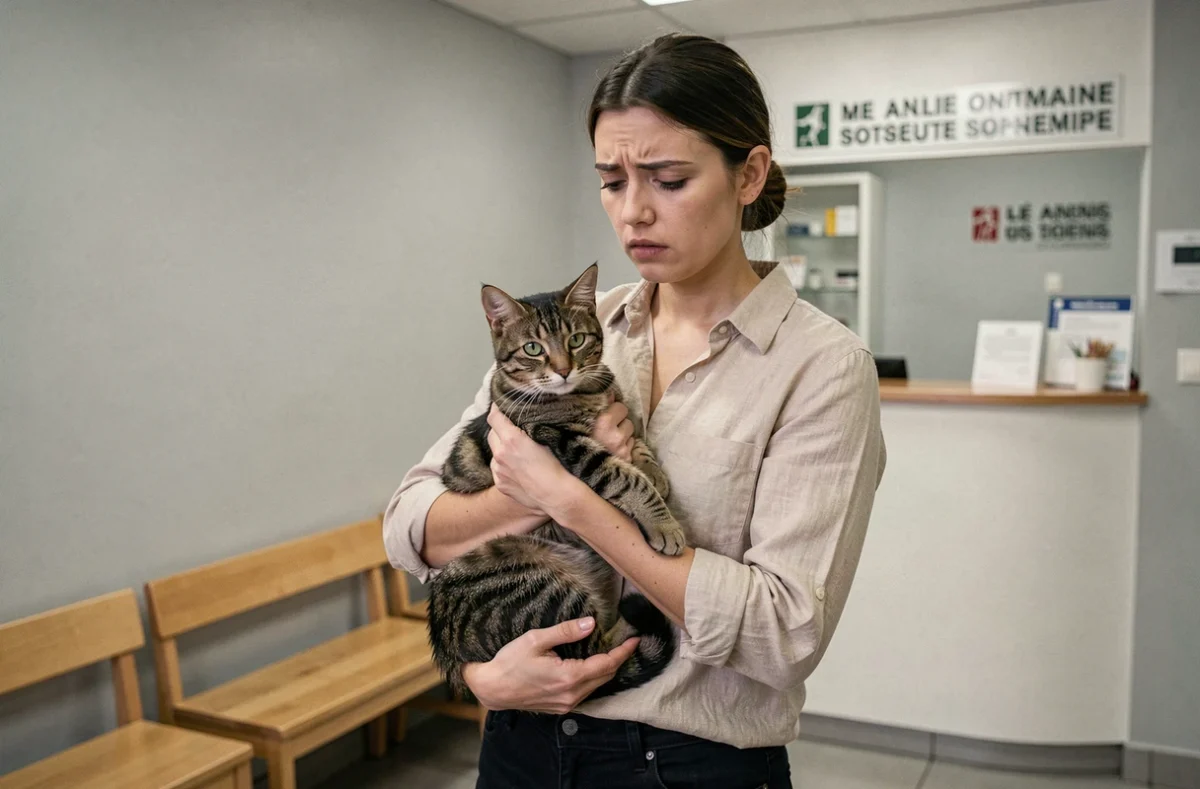
A cat that has been vomiting for two hours on a Sunday evening, a dog limping after an awkward jump on the apartment building stairs: in the 11th arrondissement, these situations are rarely resolved online. Knowing when to step into a neighborhood clinic—and, above all, having a backup plan for when it’s closed—can save valuable time for your pet’s health.
Prepare a backup veterinary care plan before an emergency in the 11th arrondissement
It’s easy to assume that your regular clinic can handle everything, including a Saturday at 10 p.m. In reality, most neighborhood practices close in the evenings and on weekends. The first thing to do isn’t to search for an address in a panic, but to have a backup plan ready well before a problem arises.
This plan consists of three practical details to keep somewhere easy to access (your phone, refrigerator, or your pet’s health record):
- The number for your regular clinic and its after-hours message, which often tells you which emergency service to contact outside opening hours
- The name and address of an emergency facility accessible from the 11th arrondissement, with the route checked by public transport or ride-hailing service, since the on-call facility may not be the closest one geographically
- The number for a veterinary poison control center, to contact first if your pet has ingested a suspicious substance, medication, or toxic plant
Always call before setting off. The on-call veterinarian can give you immediate instructions (don’t make your pet vomit, stabilize a leg, monitor its breathing) and confirm that they can see your pet. Calling ahead can save you an unnecessary trip to an overcrowded facility.
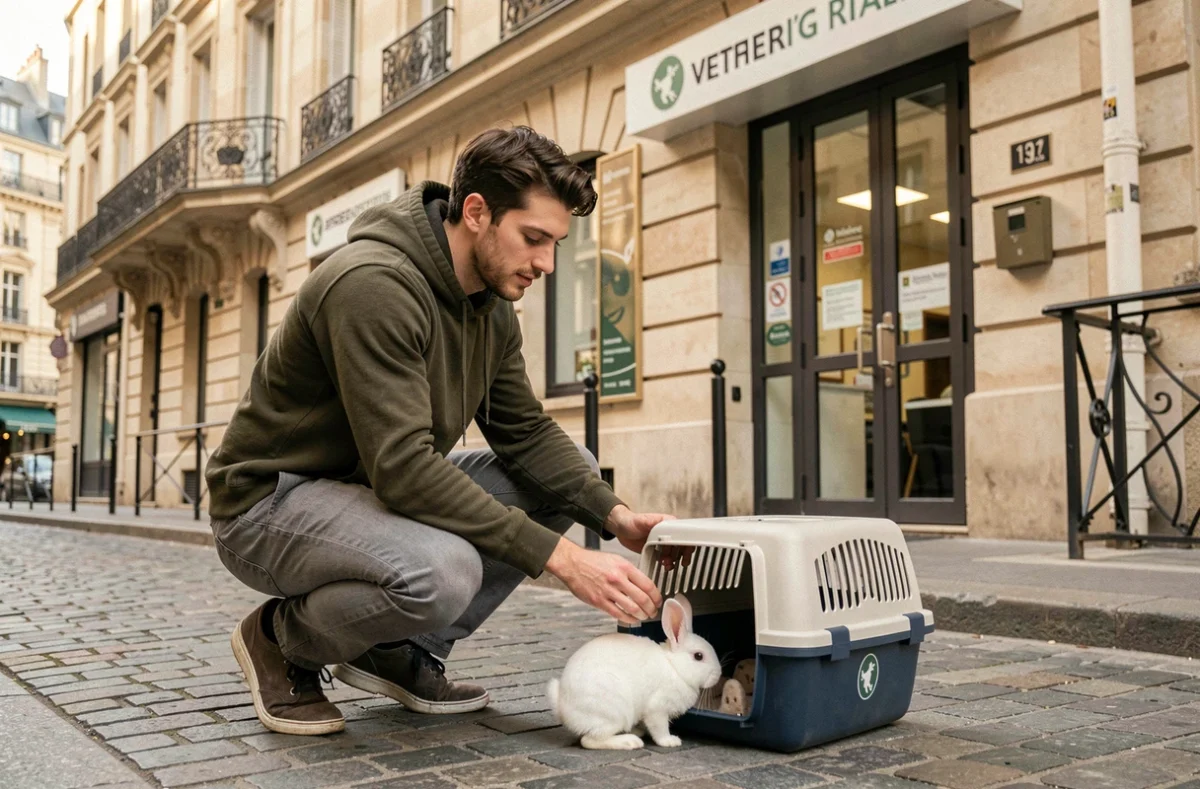
When you live in a densely populated neighborhood like the 11th arrondissement, having access to a neighborhood veterinary clinic in Paris’s 11th arrondissement makes planning easier: your regular veterinarian knows your pet and its medical history, and can recommend the right backup service for your needs.
Warning signs in dogs and cats: when a visit can’t wait
Not every symptom calls for an emergency visit, but some signs mean you shouldn’t wait for the next available appointment.
When to call immediately
Difficulty breathing, seizures, heavy bleeding, or straining to urinate without producing any urine: these signs require immediate veterinary attention. In cats, being unable to urinate can become critical within just a few hours, particularly in males.
After an impact or fall, call a veterinarian even if your dog or cat seems fine. Some internal injuries don’t cause visible symptoms right away. An animal that has fallen from a balcony, been hit by a car, or suffered a blow may seem normal for the first few minutes and then deteriorate.
Ingesting a toxic substance
If your pet has swallowed human medication, a household cleaning product, or a plant, never try to make them vomit yourself. Some corrosive substances can cause further damage on the way back up. Keep the product packaging so you can give the veterinarian or poison control center its exact name and ingredients.
Less dramatic signs to keep an eye on
Persistent lethargy lasting more than 24 hours, an unusual loss of appetite in a dog or cat that normally loves food, or limping that doesn’t improve after a night’s rest: these situations warrant a prompt scheduled appointment in the days that follow. Your neighborhood clinic is the right place to turn, rather than an emergency service.
Preventive care at your neighborhood clinic: vaccinations, microchipping, and health checkups
Emergencies aren’t the only reason to see a veterinarian. Much of a neighborhood vet’s work involves preventive care, and some legal requirements can only be handled by a veterinarian.
Dogs must be identified before 4 months of age and cats before 7 months, as well as before any transfer of ownership. The veterinarian implants a microchip and registers the owner’s contact details in the national database. If a pet goes missing in a busy arrondissement like the 11th, having an up-to-date microchip gives them a real chance of being returned quickly.
Remembering to update your contact details after moving is an often-overlooked step. If the phone number or address linked to the microchip is no longer valid, identification loses much of its usefulness.
Diet, weight, and breed-specific care
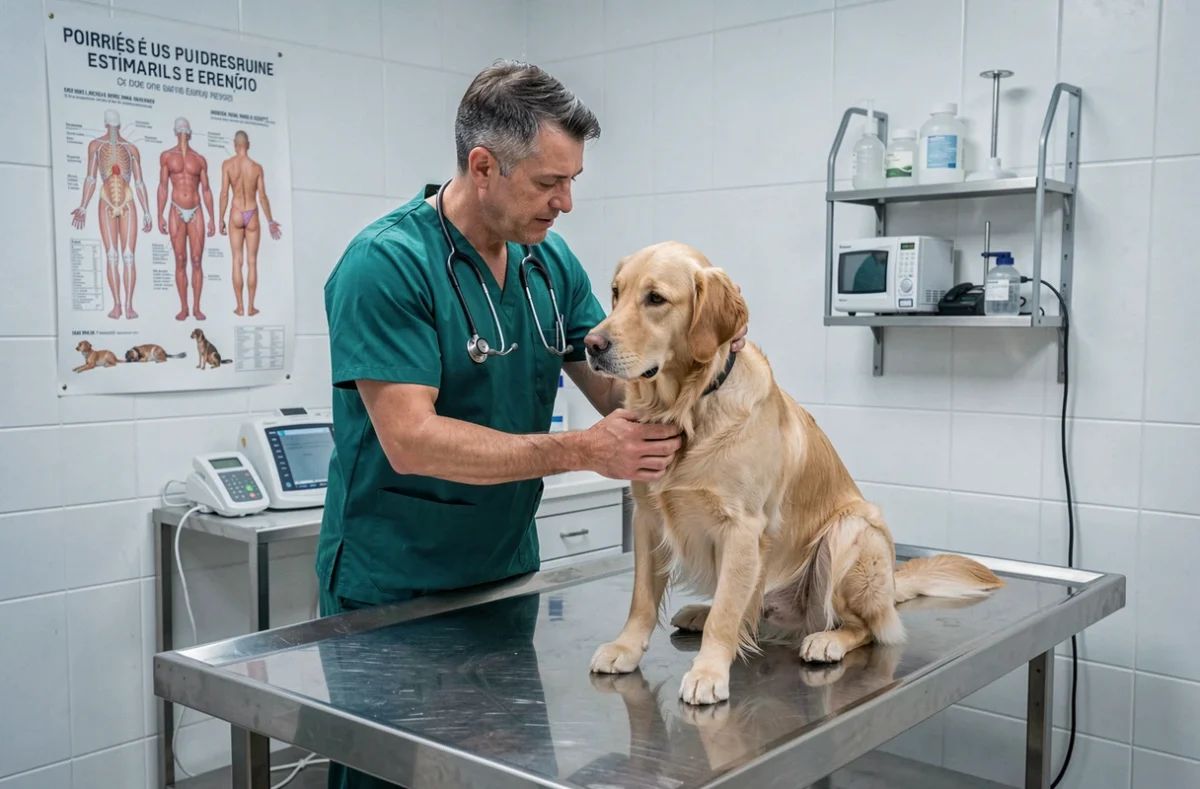
An annual checkup is also a chance to reassess your pet’s diet based on their age and weight. A small-breed dog living in an apartment in the 11th arrondissement doesn’t have the same needs as an athletic dog. Your veterinarian can spot early signs of excess weight, adjust portion sizes, and check dental health, which is often overlooked in cats.
Puppies and kittens that have recently been adopted often need several appointments close together during their first few months: vaccinations, deworming, and possible spaying or neutering. Having these procedures done at the same neighborhood clinic ensures consistent care and a complete medical record.
Routine appointment or veterinary emergency in Paris: how to choose
The distinction comes down to one simple question: can your pet safely wait until the next business day without risking a worsening condition?
If the answer is yes, a neighborhood clinic appointment—whether booked in advance or during walk-in hours—is usually the best option. Your regular veterinarian has your pet’s history, knows their medical background, and generally charges a standard consultation fee.
If the answer is no, or you’re unsure, call your regular clinic. Even outside opening hours, the voicemail message will direct you to the appropriate on-call service. Emergency facilities charge an additional fee for nighttime or weekend appointments, which is normal given the round-the-clock care they provide.
There’s also a gray area: a pet that has been eating less for two days, or a superficial wound that isn’t healing. In these cases, a phone call to the clinic is often enough to help you decide without making an unnecessary trip or letting a problem that could worsen go untreated.
The 11th arrondissement has enough veterinary clinics that you can find one within walking distance or just a few metro stops away. Making the most of this proximity by building an ongoing relationship with a veterinarian, rather than looking for one on the day an emergency strikes, is the best way to protect your dog’s or cat’s health.