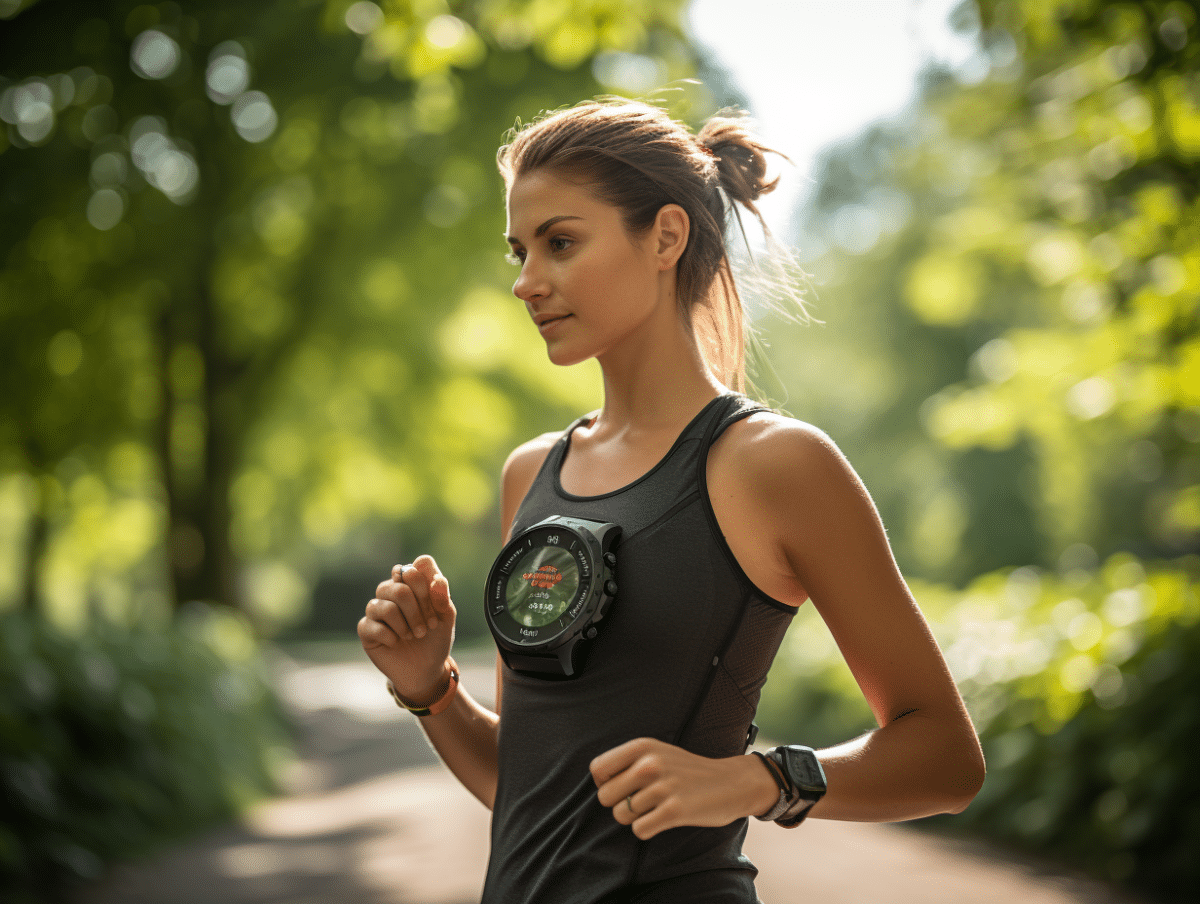
Optimizing daily walking is essential for those looking to improve their fitness. Accurately measuring the distance traveled can transform a simple stroll into an effective workout, allowing for progress tracking and clear goal setting. With current technologies like fitness apps and smartwatches, it is easier to quantify efforts and adjust exercise intensity. Adopting this methodical approach fosters consistent progress and can contribute to better cardiovascular health, weight loss, and increased endurance.
The importance of measuring distance in daily walking
Optimizing daily walking inevitably involves measuring the distance traveled. This practice, far from being a mere fad for number enthusiasts, is a proven method to transform a leisure activity into more effective training. Cécile Bertin, a running expert and recognized author, regularly highlights the benefits of active walking, which can tone the body and work the heart. She strongly recommends measuring the distance traveled as a lever to maximize these benefits.
For walkers looking to improve their fitness, quantifying efforts is an asset. Converting steps to km provides a clear view of the effort exerted and allows for tracking performance evolution. This is fundamental for adjusting training intensity, evaluating calories burned, and ensuring that the goal of fitness walking is achieved with the necessary consistency.
Cécile Bertin’s approach, shared through her publication ‘Le Running au féminin’ and her blog ‘Run, fit & fun’, is to set progressive challenges. By starting with modest distances and gradually increasing, the walker establishes a sustainable pace while boosting motivation. According to Bertin, active walking is perfectly suited to this strategy of progression.
To apply these principles, using tools like the pedometer app proves to be a significant ally. These apps, often free and easily accessible on smartphones, not only measure the distance traveled but also allow users to set personal challenges. They are the ideal companion for anyone aspiring to a structured and stimulating daily walking practice.

Techniques and tools for precise training tracking
Tracking the distance traveled during daily walking is essential for effective training. Modern techniques and tools enable precise measurement and tracking of progress. Among them, the pedometer app stands out for its ease of use and effectiveness. It not only provides an accurate step count but also the ability to set personal challenges that can stimulate motivation and structure the practice.
For those looking to enhance their training, using mini dumbbells during active walking can be beneficial. This technique contributes to muscle building and allows for intensified exercise, promoting body toning while burning additional calories. The mini dumbbells, by providing extra resistance, enhance muscular effort without compromising the enjoyment of walking.
Walking poles represent another valuable tool for walkers. In addition to enhancing stability and safety, they contribute to a better distribution of effort across the entire body. Using walking poles optimizes the effectiveness of active walking, transforming each outing into a comprehensive session that engages both the lower and upper limbs.
For precise tracking of training, it is wise to monitor heart rate. This vital indicator allows for real-time adjustment of exercise intensity to remain within the target zone, optimal for developing endurance and cardiovascular health. Smartwatches and other wearables today offer the ability to measure heart rate accurately, thus complementing the range of tools available to the modern walker.